

Why Family Stories Are Worth Preserving
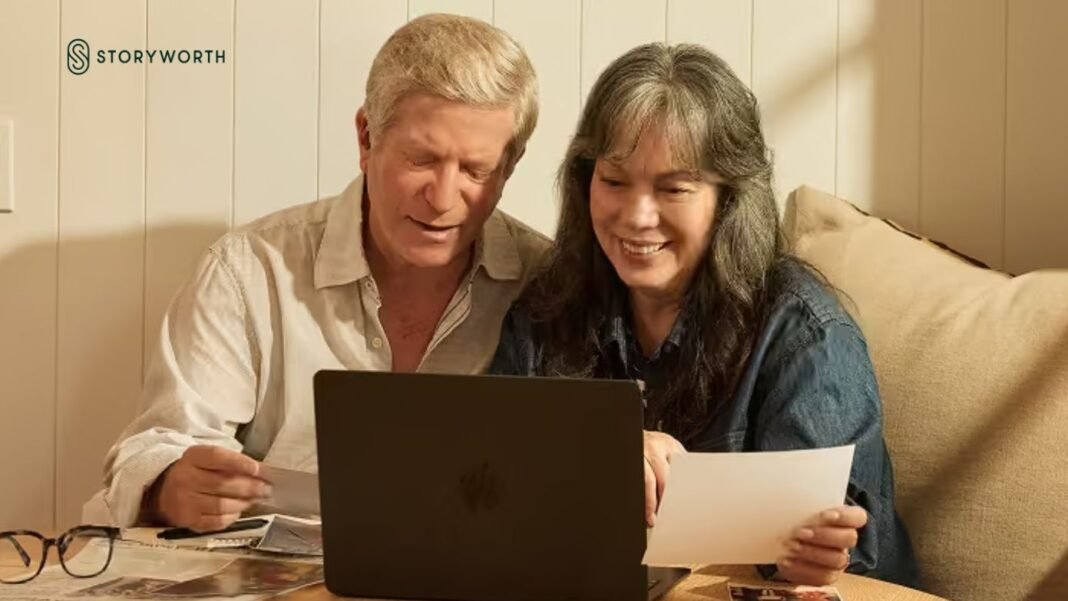
Every family has stories that deserve to be remembered. Some are funny moments from childhood, some explain where family traditions began, and others contain valuable lessons that can become more meaningful as time passes. Unfortunately, many of these memories remain only in conversations and can eventually become difficult to recover. Writing them down can create a lasting record that future generations can revisit.
Storyworth offers a structured way to collect these memories through regular questions that encourage people to reflect on different parts of their lives. Instead of asking someone to sit down and write an entire autobiography at once, the process breaks storytelling into smaller pieces. A weekly prompt can make it easier to remember a particular event, person, place, lesson, or period of life.
The approach can also encourage conversations between family members. A question about childhood may reveal a story that younger relatives have never heard, while a prompt about work, travel, friendship, or family traditions can open the door to completely new conversations. Over time, these individual memories can become a much broader picture of someone’s life.
Turning Simple Questions Into Meaningful Stories
One of the challenges of writing a memoir is knowing where to begin. A blank page can feel intimidating, especially for someone who does not normally write about personal experiences. Questions can provide a starting point and make the process feel more like a conversation than a formal writing project.
Storyworth provides a large library of prompts covering subjects such as childhood, education, family, relationships, work, travel, hobbies, traditions, challenges, and life lessons. Users can choose questions from the library, modify existing prompts, or create their own. Personalized questions can also be generated from details about the storyteller’s life.
A good story does not have to be dramatic. A memory about a favourite childhood meal, a first job, a memorable holiday, or a family celebration can be just as valuable years later. Small details often help future generations understand what everyday life was like during another period.
The weekly format also gives storytellers time to think. Instead of trying to remember everything in one sitting, they can gradually build a collection of memories. Some answers may be only a few sentences, while others can develop into much longer stories.
Making Storytelling Easier for Different Generations
Not everyone enjoys writing. Older family members may have fascinating memories but may not feel comfortable sitting at a computer and typing long answers. A storytelling system becomes more useful when it allows people to share memories in a way that feels natural to them.
Storyworth allows stories to be submitted by replying to an email or through its website, and its voice options allow eligible users to tell stories over the phone. Phone recordings can be transcribed, making it possible to capture memories without requiring the storyteller to type them.
This flexibility can be especially helpful for families where different generations have different levels of comfort with technology. A family member can focus on remembering and telling the story rather than worrying about formatting or writing skills.
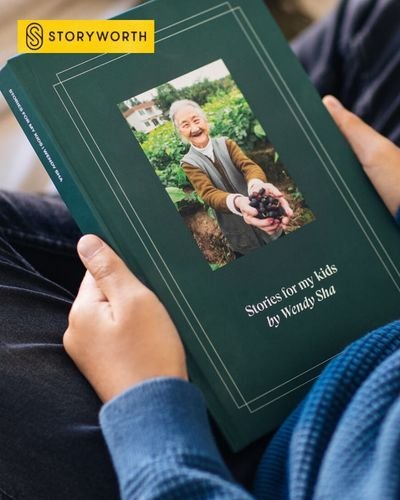
Photos can also add another dimension to the collection. A photograph from a childhood home, family celebration, holiday, wedding, or important milestone can provide visual context for the accompanying story. Combining photographs with written memories can make the final collection feel more personal and connected to real experiences.
The process can even become a shared family activity. Relatives can suggest questions, read stories, contribute memories, and discuss details that might otherwise be forgotten.
Creating a Personal Family History
A collection of individual answers can gradually become a personal history. When stories are organised over time, they can show how someone’s experiences, relationships, interests, values, and perspectives developed throughout different stages of life.
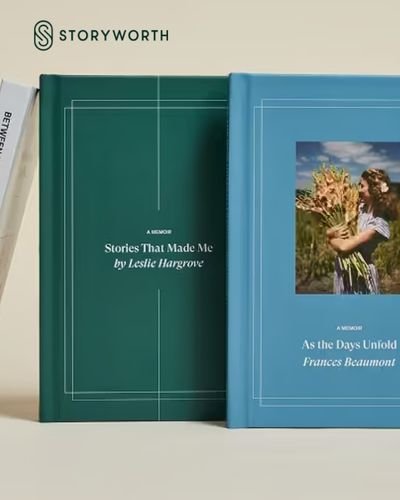
Storyworth makes it possible to compile stories and photographs into a hardcover keepsake book after the storytelling process. Users can review their material, edit stories, arrange the content, and check the book before placing the printing order.
This editing stage is important because memories are often easier to understand when they are viewed together. One story may remind the writer of another event, leading them to add additional details. A photograph may inspire a forgotten memory. A family member may also notice connections between different stories.
The final book can therefore become more than a collection of answers. It can represent a particular person’s experiences in their own words. For children and grandchildren, such a book can provide a perspective on family history that cannot always be found in photographs or official records.
The physical format also gives the memories a permanent place in the home. Digital files can be stored and shared, but a printed book offers something tangible that family members can pick up and read together.
Making the Experience Meaningful as a Gift
A memory-based gift can be especially meaningful because it focuses on the recipient rather than simply providing another physical item. Instead of choosing something that may eventually be forgotten, families can give someone an opportunity to share experiences and create something that can be kept.
Storyworth can be used as a gift for parents, grandparents, partners, or other loved ones who have stories that family members want to hear. The process can encourage recipients to reflect on their lives while giving relatives an opportunity to discover memories they may never have known.
The gift can also create anticipation throughout the year. Each new question provides another opportunity to learn something. Family members can follow the stories as they are shared, turning the process into an ongoing experience rather than a single event.
For special occasions, storytelling can also focus on a particular theme. Questions can explore childhood memories, family traditions, career experiences, travel, relationships, hobbies, or important life lessons. This makes it possible to shape the collection around the person and the stories that matter most to the family.
Because storytelling happens gradually, the process does not need to feel like a major project. One question at a time can be enough to create meaningful progress.
Turning Memories Into a Legacy for the Future
The real value of preserving family stories becomes clearer with time. A story that seems familiar today may become an important piece of family history decades later. Future generations may never have the opportunity to ask the original storyteller questions, making recorded memories particularly valuable.
Storyworth is designed around this idea of preserving stories and bringing families closer through personal experiences. Its memoir process combines regular prompts, written or recorded responses, photographs, and a printed book to create a long-term collection of memories.
The process can also encourage families to think about what they want to preserve. Beyond major milestones, everyday experiences can reveal personality and values. Stories about school, friendships, first jobs, favourite places, family celebrations, difficult moments, and personal achievements can all contribute to a richer understanding of someone’s life.
Creating a family memoir does not require perfect writing or a professional storytelling background. The most important element is authenticity. Personal stories become meaningful because they reflect real experiences, individual perspectives, and memories that belong to a particular family.
A thoughtful memoir can eventually become something that children, grandchildren, and future generations return to when they want to understand where they came from. It can preserve voices, experiences, photographs, and lessons that might otherwise disappear with time.
In a world where many memories are stored temporarily on phones and social platforms, creating a dedicated collection gives important stories a more permanent home. Starting with one question, one memory, or one photograph can be enough to begin building something that grows over time.
For families looking for a structured way to capture personal histories, Storyworth provides a simple storytelling framework that turns individual memories into a collection that can be shared, edited, and preserved. The result is not simply a book, but a record of experiences that can help family members understand one another across generations.