

Start With a Clear Boutique Identity
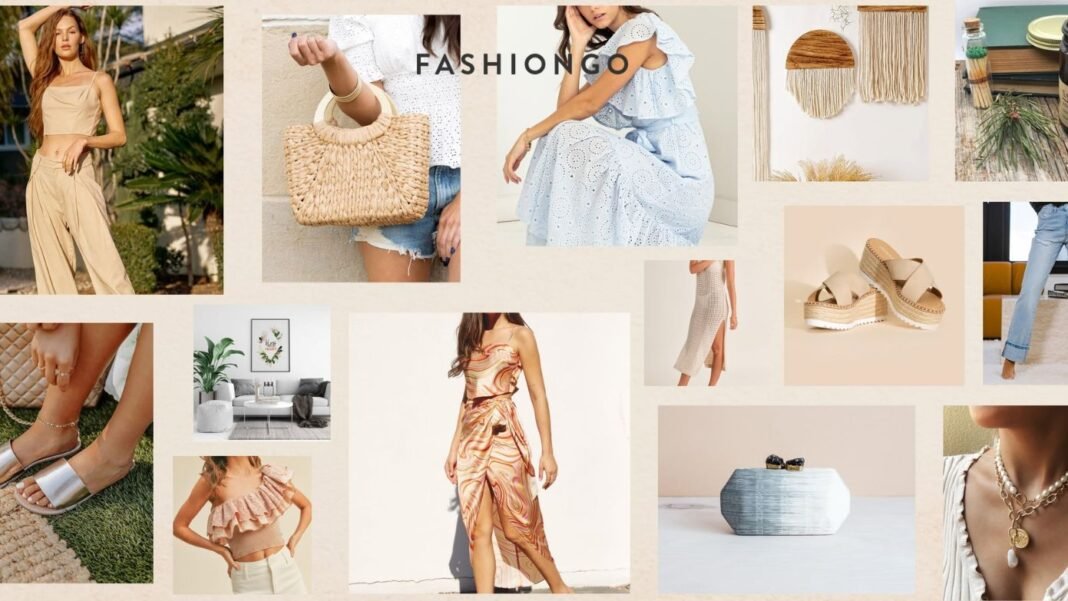
Starting a boutique can be exciting, but building a successful store requires more than simply choosing attractive products. A strong boutique needs a clear identity, a defined customer base, and a product selection that feels consistent. Before purchasing wholesale inventory, it is useful to decide what type of shopper the business wants to attract and what kind of style the store should represent. FASHIONGO gives retailers access to a broad wholesale marketplace where they can explore women’s apparel, shoes, bags, jewelry, accessories, beauty, men’s products, kids’ products, home goods, lifestyle products, and retailer supplies.
A boutique might focus on casual everyday clothing, occasionwear, contemporary fashion, accessories, or a combination of complementary categories. Defining the direction early makes purchasing decisions easier because every product can be evaluated according to whether it fits the store’s identity.
Understanding the target customer is equally important. Consider age range, lifestyle, preferred styles, typical spending habits, and the occasions for which customers shop. A boutique serving young professionals may need a different assortment from one targeting families or customers searching for special-event clothing.
Once the identity is clear, the product range becomes easier to organise. Instead of purchasing whatever looks appealing, retailers can build collections that work together and encourage customers to explore multiple products.
Research Trends Before Buying Inventory
Fashion changes quickly, and retailers need to balance current trends with products that can remain relevant beyond one season. Buying too much of a short-lived trend can leave a boutique with excess inventory, while ignoring current customer interests can make a store feel outdated.
FASHIONGO provides retailers with access to new arrivals, best sellers, vendor collections, and trend-focused shopping tools. Its Style Match feature allows users to upload an image and find visually similar styles across its marketplace. The platform also highlights best-selling products and trend-driven insights to help retailers make purchasing decisions.
Trend research should not mean copying every popular style. Instead, retailers can look for patterns in colours, silhouettes, materials, prints, and product categories. These observations can then be compared with the preferences of the boutique’s existing customers.
Seasonality should also be considered. Spring and summer may require lightweight clothing, dresses, sandals, and bright accessories, while autumn and winter can create demand for jackets, sweaters, boots, layering pieces, and warmer accessories. Planning inventory around seasonal changes can help maintain variety throughout the year.
A useful approach is to combine trend-focused products with dependable basics. Trend pieces can attract attention, while versatile staples can provide customers with practical options that remain useful across different seasons.

Build a Balanced Wholesale Product Mix
A boutique needs variety, but too much variety can make a store difficult to understand. The goal is to create a balanced product mix where different categories support one another. For example, a clothing-focused boutique can add jewelry, bags, shoes, or accessories that complement its apparel collections.
FASHIONGO offers categories covering women’s apparel, shoes, accessories, jewelry, bags, beauty, men, kids and baby, home, lifestyle, and retailer supplies. This broad selection allows retailers to explore complementary products while sourcing through the same wholesale marketplace.
When building a product mix, consider having different price levels. Some customers may be looking for affordable everyday pieces, while others may be willing to spend more on distinctive or premium products. Offering a range can help a boutique appeal to different shopping needs without losing its overall identity.
Product depth is another consideration. A retailer may prefer to offer several styles with limited quantities rather than purchasing a very large amount of one design. This can create a sense of variety and give customers more reasons to return and see what is new.
Accessories can also play an important role. A customer shopping for a dress may also be interested in earrings, a handbag, or shoes. Creating these connections can make the shopping experience more complete while helping retailers think about the store as a collection of coordinated looks rather than unrelated products.
Manage Wholesale Costs More Carefully
Profitability depends heavily on purchasing decisions. Even attractive products can become difficult to sell if their wholesale cost, shipping expenses, and retail price do not work together. Retailers should therefore calculate expected costs before committing to inventory.
FASHIONGO provides several tools and programs intended to help retailers manage wholesale purchasing. Its current platform offers free shipping on qualifying orders, while its Dynamic Net Terms program allows approved retailers to use payment terms of 30, 45, or 60 days. Eligibility and specific conditions can vary, so retailers should review the applicable requirements before relying on these options.
Keeping track of the total cost of each product is essential. The purchase price is only one part of the calculation. Shipping, packaging, payment costs, marketing, storage, and potential markdowns can also affect profitability.
Inventory turnover should be monitored as well. Products that sell quickly may need to be reordered, while slow-moving items may require a different marketing strategy or eventual markdown. Reviewing sales data regularly can help retailers make future purchasing decisions based on actual customer behaviour rather than assumptions.
It can also be useful to set purchasing limits. Instead of spending the entire inventory budget on a small number of products, retailers can divide their budget between proven categories, new styles, seasonal products, and experimental items. This creates room to test new ideas without putting the entire budget at risk.
Create an Engaging Shopping Experience
A successful boutique is not only about what it sells but also about how products are presented. Customers need to understand how individual pieces can fit into their wardrobe or lifestyle. Strong product photography, detailed descriptions, coordinated displays, and useful styling suggestions can make a difference.
Retailers sourcing through FASHIONGO can build collections around themes, seasons, colours, or occasions. A boutique might create a weekend collection, workwear edit, vacation selection, or special-event assortment. Grouping related products can make it easier for shoppers to discover complete outfits.
Social media can also support the shopping experience. New arrivals can be introduced through short videos, styling posts, live sessions, or customer-focused content. Instead of simply showing a product, retailers can demonstrate how it can be worn or combined with other pieces.
FASHIONGO also offers FASHIONGO Live, where shoppers can interact with brands through live vendor streams while viewing new arrivals and best sellers. These types of features reflect how wholesale buying and digital discovery are becoming increasingly connected.
For boutique owners, consistency matters across every customer touchpoint. The store’s website, social media pages, packaging, product descriptions, and physical location should communicate a similar visual identity. This can make the business easier for customers to recognise and remember.
Use Data to Grow the Boutique Over Time
Building a boutique is an ongoing process. Customer preferences can change, successful categories can evolve, and new opportunities can appear throughout the year. Retailers who regularly review their performance can make more informed decisions about future inventory.
FASHIONGO provides tools designed to support smarter purchasing, including best-seller insights, Style Match, vendor discovery, and other retailer services. The platform currently states that it connects retailers with thousands of wholesale brands and offers millions of products to browse, giving buyers a broad selection from which to source.
Retailers can combine marketplace insights with their own sales information. If certain colours, sizes, categories, or styles consistently sell faster, those patterns can influence future purchasing. Similarly, products that remain unsold for long periods can provide useful information about what the customer base may not be interested in.
Customer feedback should also be taken seriously. Comments about fit, quality, colours, pricing, and product availability can reveal opportunities that sales figures alone may not show. Encouraging customers to share their opinions can therefore become part of the buying strategy.
The most sustainable approach is to treat wholesale sourcing as an ongoing learning process. A retailer can test products, measure results, listen to customers, and gradually refine the assortment. This reduces the need to rely entirely on guesswork.
For new and established boutique owners alike, FASHIONGO can provide a central marketplace for discovering wholesale products across multiple categories. By combining a clear store identity with trend research, balanced inventory, careful cost management, engaging merchandising, and regular performance analysis, retailers can create a stronger foundation for long-term growth.
A successful boutique does not necessarily need the largest product selection. It needs the right products for its customers, presented in a way that makes shopping easy and enjoyable. Smart wholesale sourcing can help retailers keep their collections fresh while maintaining greater control over purchasing decisions and inventory planning.